Farm Water Well Pump Tank Storage
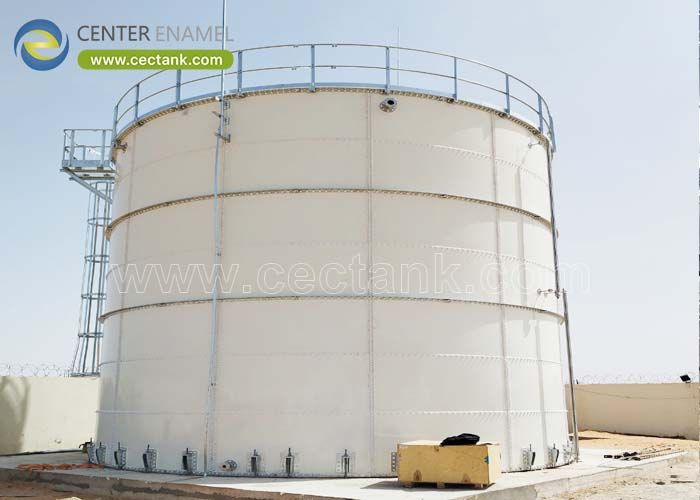
Key Takeaway
Selecting and operating a farm water tank for a farm application depends on the stored medium's chemistry, the applicable code, and the duty cycle - not on generic advantages. This guide focuses on the conditions, limits, and decision factors that actually change the outcome for a farm operator or specifier.
What Defines A Farm / Agricultural Water Tank
A farm water tank stores irrigation, livestock drinking, rainwater, or parlor-wash water. The selection driver is the end use: potable livestock water needs materials compatible with NSF/ANSI 61; irrigation tolerates more variation; rainwater needs first-flush diversion and screening. Capacity follows daily demand and the buffer days required to ride out supply gaps, pumps, or dry spells.
Materials And Suitability
Glass-fused-to-steel, epoxy-coated, galvanized, and stainless tanks each suit different water qualities and budgets. For drinking water, confirm the coating and liner meet NSF/ANSI 61 for the intended contact. Galvanized versus glass-fused is a trade-off of first cost and service life, not a universal answer, and the coating must be compatible with any water treatment chemistry used on the farm.
Sizing And Configuration
Size from peak daily demand multiplied by required buffer days, converting gallons, liters, and cubic meters consistently. Irrigation pond versus tank is a land-cost versus footprint decision. Insulation matters in freezing climates; algae control and inspection frequency depend on sunlight exposure, cover, and use. Rainwater harvesting needs screened inlets and first-flush diversion to stay usable.
Standards And Compliance
Potable systems should reference AWWA D103 for bolted steel and NSF/ANSI 61 for materials in contact with drinking water. Local plumbing, backflow, and rainwater-harvesting rules apply and vary by region. Confirm the applicable standard and any permitting with a qualified engineer before procurement.
Selection Checklist
Identify the exact end use (potable, irrigation, livestock, rainwater).
Confirm NSF/ANSI 61 for any drinking-water contact.
Size from demand x buffer days in consistent units.
Address insulation, algae control, and inspection locally.
Detailed Specification Notes
Even where the exact equipment type varies, the specification discipline is the same: define the medium and its corrosives, fix the duty (volume, days, rate), identify the regional code set, and shortlist materials against the measured chemistry. A written one-page brief that states these inputs is enough to start a qualified supplier conversation and to keep the comparison honest. Avoid borrowing published dimensions or costs from an unrelated site, because plate thickness, foundation, and price are all size- and location-specific design outputs.
Document the decision: which standard applies, which coating chemistry was confirmed, what containment or cover the regulation requires, and what the written quotation actually covers. This record is what protects the operator if the medium, duty, or rule set changes later, and it is the difference between a purchased tank and a defensible engineering asset.
Application Scenarios For A Farm Operation
For a farm operation, this equipment is typically specified when the stored medium is corrosive, regulated, or variable in quality. A farm water tank is selected where controlled storage, withdrawal, or containment directly protects crop, livestock, or permit status. The relevant scenarios include routine land application, seasonal buffering, emergency containment, and integration with a treatment or biogas train. Each scenario changes the sizing and the material requirement, so the use case should be stated explicitly in the specification rather than assumed.
Beyond these, the equipment is also relevant where a farm is transitioning from earthen storage to contained storage to meet a tighter permit, where a co-digestion feedstock (for example crop residue added to manure) changes the medium chemistry, or where water reuse or rainfall variability forces a larger buffer. Specifiers should list every scenario that could apply over the asset's life, because adding duty later is far more expensive than designing for it at the outset. A written duty matrix - medium, volume, frequency, and any regulation - is the most reliable way to prevent a scope gap that only appears after commissioning.
Material Comparison
| Option | Best for | Watch-outs |
|---|---|---|
| Glass-fused-to-steel | Corrosive manure/digestate, potable water | Higher first cost; verify ISO 28765 design |
| Epoxy-coated bolted | Digestate, fertilizer, water | Confirm coating chemistry match |
| Galvanized / zinc-aluminum | Dry grain, lower-corrosive duty | Zinc mass must suit environment |
| Stainless | Hygiene/specific corrosives | Cost; grade must be justified |
| Concrete / earthen | Low-cost bulk, lagoons | Lining, cracking, land, emission exposure |
Common Failure Modes And Limits
Understand the realistic limits: coatings fail from impact or incompatible chemistry; unagitated digestate crusts and stratifies; unsealed grain spoils from moisture and heat; unlagged water grows algae; and unmonitored tanks develop defects that are found only after a failure. None of these are prevented by tank type alone - they are managed by design, operation, and inspection. Specify against the actual medium and confirm limits with the supplier's written data rather than a generic durability claim.
The second class of failure is procedural: under-sizing for storage days, omitting secondary containment where regulation requires it, or procuring on price alone without a written compatibility statement. These are avoidable with the specification discipline described here, and they are the causes most often seen in retrofit or remediation work. Treat the checklist and the supplier questions below as the minimum, not the maximum, of due diligence.
Worked Sizing Approach (Illustrative Basis)
The following is an illustrative calculation basis, not a finalized design. Assume a farm operation storing a given daily volume V (in m3/day) and requiring N storage days or buffer days. The nominal useful volume is approximately V multiplied by N, to which freeboard (commonly 10 to 15 percent) and any dead volume from a cone or sloped floor must be added, giving a gross tank volume of roughly V x N divided by 0.85 to 0.90. Diameter and height are then selected from standard panel diameters; for a bolted tank the steel-plate thickness scales with diameter and height and must be confirmed against the applicable code rather than read from a catalog.
If the medium is corrosive, the coating system and spark-test voltage are specified from the medium pH and solids, and a written compatibility statement is obtained. For procurement, convert the gross volume to the units your supplier quotes (gallons, liters, or cubic meters) consistently, and request that the quote state the internal diameter, wall height, number of rings, plate thickness, and coating specification. Where the tank feeds a digester, irrigation system, or treatment train, coordinate the volume and withdrawal rate with that system's duty so the tank does not become the bottleneck. A one-page sizing note documenting these assumptions is sufficient to start a qualified supplier conversation and to keep the specification honest.
Step-By-Step Selection Procedure
Define the stored medium and measure or reliably estimate its key properties: pH, solids content, corrosives (ammonia, sulfide, salts), and temperature range.
State the duty: daily volume, storage or buffer days, withdrawal rate, and any co-feed or seasonal swing.
Identify the applicable regional standard set (AWWA D103, ISO 28765, ASCE 7-22, EN 1991, AS/NZS 1170) and confirm whether engineer sign-off is required.
Shortlist materials against the medium chemistry - fused glass, epoxy, galvanized, stainless, concrete, or earthen - and request written compatibility and test data.
Size the gross volume with freeboard, then select diameter and height from standard panel sizes and confirm plate thickness via the code.
Specify containment, cover, agitation, and safety devices (PRV, vents) where regulation or medium demand them.
Obtain written, project-specific quotations that quote the same basis, and compare on verified parameters and references.
Supplier Qualification Questions
Can you provide the design basis to ISO 28765 and/or AWWA D103 for my diameter, height, and medium, in writing?
What is the coating's qualified pH range, adhesion, and hardness, and what spark-test voltage is applied to verify it?
What steel-plate thickness do you specify for my tank dimensions, and how is it calculated?
What is included in the foundation scope, and is relocation or reuse assessed?
What are the lead time, payment terms, and minimum order quantity, and are reference installations available?
These questions keep the evaluation on documented engineering rather than claims, and they surface the differences between suppliers that a price-only comparison hides.
FAQ
1. What material is most suitable for this application?
Material choice follows the stored medium: corrosive digestate or manure favors glass-fused-to-steel or epoxy coatings; potable water requires NSF/ANSI 61-compatible systems; dry grain needs sealed, coated steel. Confirm against the actual chemistry, not a generic label.
2. Which standard applies to the design?
Bolted steel tanks commonly reference AWWA D103 and ISO 28765; wind and seismic use ASCE 7-22, Eurocode EN 1991, or AS/NZS 1170 by location. A qualified engineer should confirm the applicable code for your site.
3. How should capacity or size be determined?
Size from actual volume, daily demand, and required buffer or storage days, using consistent gallon/liter/m3 units. Do not adopt published figures as universal - they are size- and site-specific design outputs.
4. What are the realistic maintenance requirements?
Expect coating inspection, agitation where needed, desludging, and cover or PRV checks. Maintenance frequency depends on medium and duty; request a written schedule from the supplier and budget for it.
5. Can the tank be relocated or reused?
Bolted panel tanks can sometimes be relocated if foundation and panels are sound and inspected first, but each move needs assessment. Cast or welded units generally cannot be relocated economically.
6. Does the tank need secondary containment?
Fertilizer, digestate, and some wastewater applications typically require bunding or containment by regulation. Confirm the local requirement before procurement and size the bund accordingly.
Conclusion
For a farm water tank serving a farm operation, specify the material and configuration against the medium, code basis, and site conditions described above. Obtain a project-specific quotation before treating any capacity, dimension, or cost figure as final, and confirm the applicable regional standard with a qualified engineer.
Request A Quote
Discuss your farm water tank specification with an engineer: share the medium, volume, site, and applicable standard, and request documented technical parameters and a written quotation.
Read more: https://www.cectank.com/fr/cstr_digester


评论
发表评论